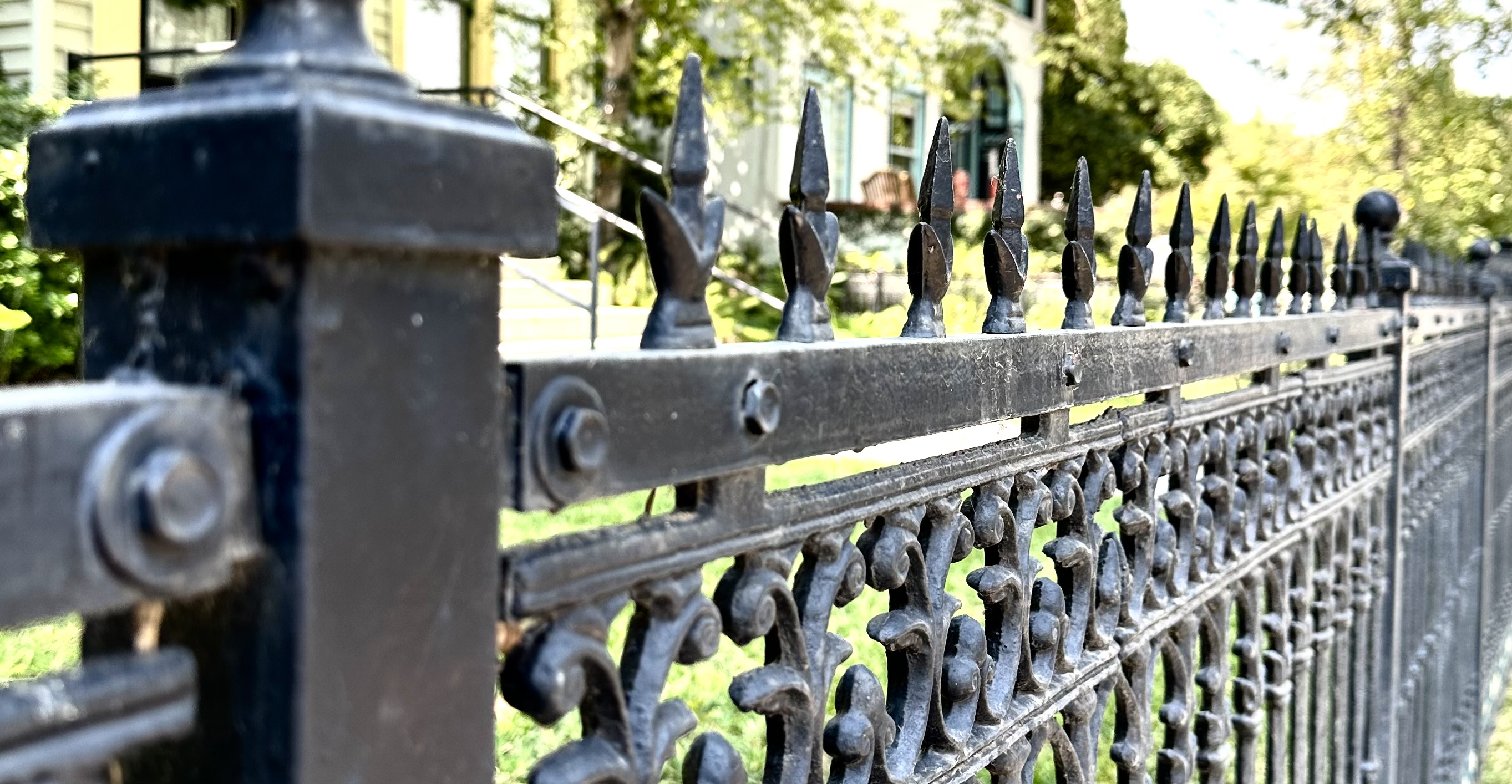
Rousseau's spiked fence was
    tall, ornate, intricate,
a cast-iron invitation
    to a gracious impalement.

Education must, said he,
    let the child choose
to walk that fence,
    to learn not to walk that fence.

Skipping along its ridge
    is an ecstasy of defiance,
and tripping, a humiliation
    of pain and scars.

The child is the child's
    teacher; there are no grades,
though the dead perforce
    will fail the course.
The "Child on a fence"
example is apocryphal
and probably the most
famous quote Rousseau
never said. It is an
extrapolation of his
theory of childhood
education in his book
"Emile", arguing that
children must be allowed
to educate themselves.
Only by suffering the
consequences of doing
something unwise will
the child learn not to
do it, even if the act
of learning involves
discomfort or pain.
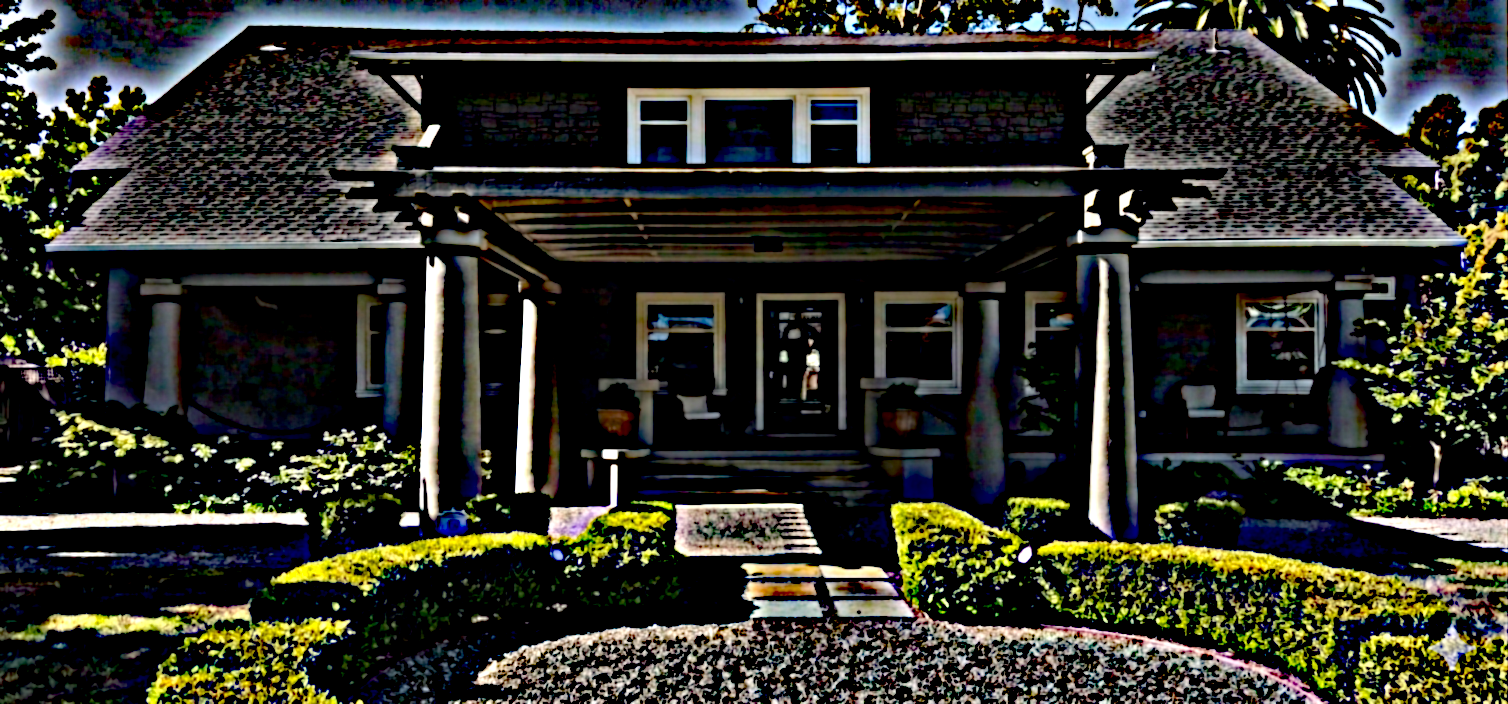
This squat edifice, toad-like and beautiful
   in its Doric immobility,

Clings fast to the earth and holds
   heavens high in their place,

A thing of mass, of solidity, of safety
   for thinkers and gods within;

A temple of Pythagoras, who drifts
   among columns, circles, angles,

Who gathers with ethereal colleagues
   around a great hewn table

To debate the path to Truth absolute,
   and other worthy futilities.

Late at night their voices sound
   like the breeze-ruffled owl asking, "Who?"

And the tired carping of crows, trying
   to sleep in their dark canopy above.